 The Ledford Group
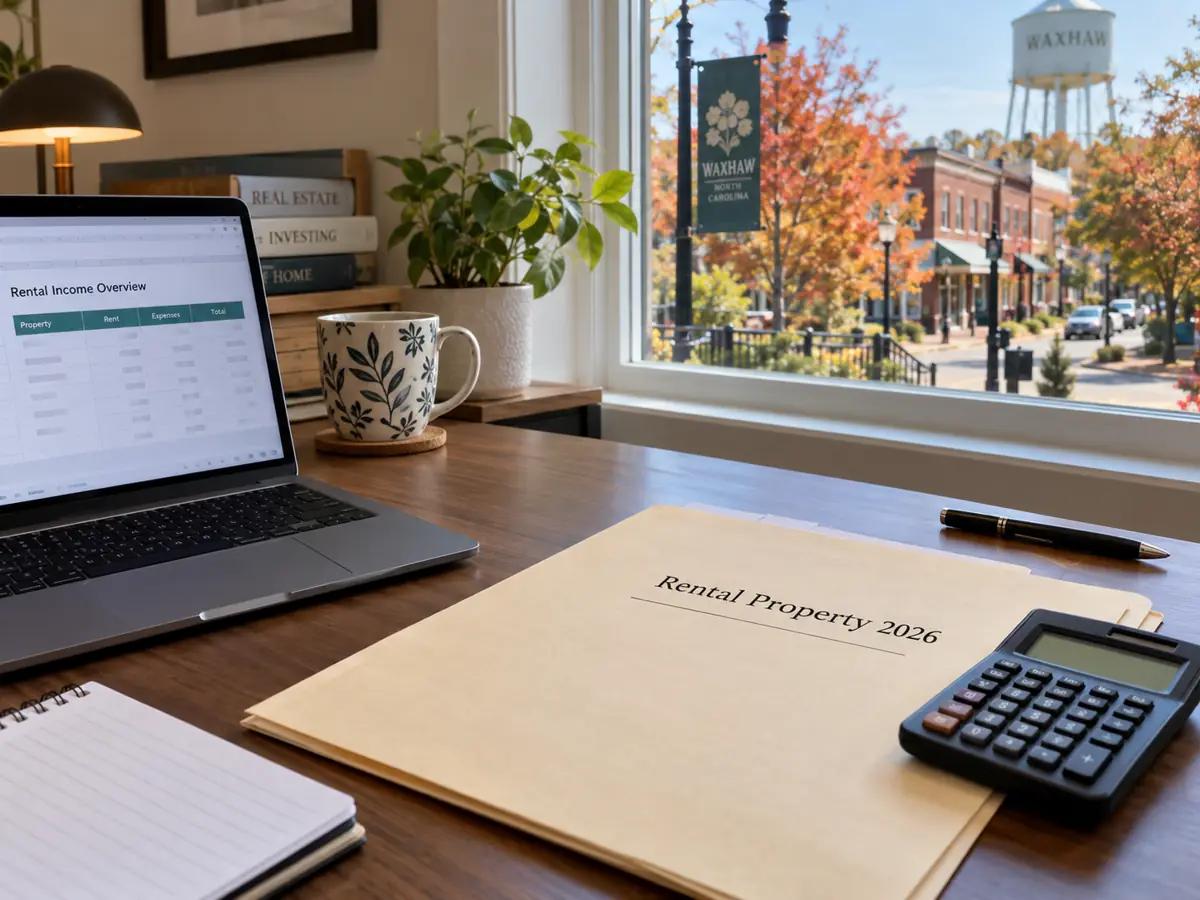
A landlord can generally deduct the ordinary costs of running a rental, such as repairs, insurance, property taxes, mortgage interest, management fees, and depreciation. When you sell, the IRS can tax the gain tied to the depreciation you took (or could have taken) at up to 25%. That's called depreciation recapture, and it catches many first-time landlords off guard.
Quick Answer: Waxhaw landlords can generally deduct repairs, insurance, property taxes, mortgage interest, management fees, and depreciation on a rental. Residential rental buildings are depreciated over 27.5 years, and when you sell, the gain tied to that depreciation is taxed at up to 25% federally. This is general information, not tax advice, so confirm everything with a CPA. Jennifer Ledford of The Ledford Group at eXp Realty works with Waxhaw and Union County investors who want the numbers before they buy or sell.
I'm Jennifer Ledford with The Ledford Group at eXp Realty. I'm a real estate agent, not a tax professional, so I won't tell you what to put on your return. I can explain the pieces so you know what to ask your CPA. This post covers federal rules as the IRS describes them. Ask your CPA about North Carolina and your own situation.
What expenses can a landlord deduct?
IRS Publication 527 lists the common ones: advertising, cleaning and maintenance, commissions, insurance, mortgage interest, legal and professional fees, management fees, repairs, taxes, utilities, travel to collect rent or maintain the property, and depreciation.
One limit surprises people. Lost rent from a vacancy isn't deductible, though you can still deduct the cost of maintaining the vacant property. Rent you never collected isn't deductible if you report income when cash is received.
What's the difference between a repair and an improvement?
The IRS says repairing or maintaining a rental can generally be deducted. An improvement, which adds value, restores the property, or adapts it to a new use, has to be capitalized and recovered through depreciation. Pub 527 lists additions, new roofs, and new HVAC systems as improvements.
Patching a roof leak is a repair. Replacing the roof is an improvement. Fixing a faucet is a repair. Adding a room is an improvement. Keep every receipt and write down what each one was for.
How does depreciation work on a rental?
Depreciation lets you deduct part of the building's cost each year, even though you didn't spend that money this year. The IRS says residential rental property is depreciated over 27.5 years. A property counts as residential rental when at least 80% of its gross rental income comes from dwelling units. Land isn't depreciated, only the building.
Here's an illustration, not a Waxhaw price. Say the building portion of your purchase is $300,000. Divide by 27.5 years and you get about $10,909 of depreciation per year. The first and last years work a little differently under the IRS mid-month rule, so real numbers vary.
What is depreciation recapture?
When you sell a rental at a gain, the part tied to depreciation is treated differently from regular long-term gain. The IRS calls it unrecaptured section 1250 gain, and its capital gains topic says that portion is taxed at a maximum 25% rate.
Back to the example. Say you owned the rental for 8 years and claimed about $87,273 of depreciation. If your gain is at least that large, up to about $87,273 of it could be taxed at up to 25%, which is up to about $21,818 of federal tax on that portion. Your real number depends on your cost, improvements, selling costs, and tax situation.
The IRS also says you must reduce your basis by the depreciation you took or could have taken. Skipping the deduction doesn't protect you at sale time. Ask your CPA how this works if you turned a former home into a rental, since that has its own rules.
What should I ask my CPA before I buy or sell a Waxhaw rental?
1. How should I split the purchase price between land and building?
2. Which planned repairs are deductible now, and which are improvements?
3. How much depreciation will I take each year?
4. If I sell in a few years, what could my recapture look like?
5. Could a 1031 exchange fit my plan, and what are the deadlines? 6. How does North Carolina treat this?
Run the numbers before you buy, not after.
Waxhaw's draw for many renters and buyers is its downtown, with antique shops, boutiques, Mary O'Neill's Irish Pub, and Cork & Ale on Main Street. Investors ask me about Cureton, Longview, and Millbridge. If you're thinking about selling a rental, you can request a home value here: https://the-ledford-group.com/home-value?utm_source=blog&utm_medium=blog&utm_campaign=2026-10-22-waxhaw-blog
Frequently asked questions
What can a landlord deduct on a rental property?
Common deductions include repairs, insurance, property taxes, mortgage interest, management fees, utilities, advertising, legal and professional fees, and depreciation, according to IRS Publication 527. Lost rent from a vacancy isn't deductible. Confirm what applies to you with a CPA.
How long do you depreciate a residential rental property?
The IRS says residential rental property is depreciated over 27.5 years. Only the building is depreciated, not the land.
What is depreciation recapture on a rental property?
It's the tax on the part of your gain tied to depreciation you took or could have taken. The IRS says unrecaptured section 1250 gain is taxed at a maximum 25% rate. A CPA can run the numbers for your sale.
Is a repair different from an improvement for taxes?
Yes. Repairs can generally be deducted when you pay for them. Improvements, such as a new roof or HVAC system, are capitalized and recovered through depreciation.
#WaxhawNC #WaxhawRealEstate #CharlotteRealEstate #TheLedfordGroup
About Jennifer Ledford: Jennifer Ledford is a licensed real estate agent with The Ledford Group at eXp Realty LLC, serving buyers and sellers across Mecklenburg, Union, Stanly, and York Counties since 2016. She is among the top 3% of 18,000+ agents in the Charlotte Metro, an eXp ICON, and has guided 250+ clients through some of the most significant transactions of their lives. Reach her at 704-607-6996 or https://the-ledford-group.com.
Jennifer Ledford | 📞 704-607-6996 | 🌐 https://the-ledford-group.com

About the author
Jennifer Ledford, REALTOR, has helped Charlotte-area buyers and sellers full time since 2016, with 250+ homes sold. She is a Certified Negotiation Expert with The Ledford Group at eXp Realty LLC.
Book a Call with Jennifer